Though known colloquially as food that is grown more healthily (and is more expensive), in order for organic food to be certified as such, it must be produced under specific, legally-regulated standards and be subject to testing in order to retain certification.
In agriculture, this means that crops were grown without the use of conventional pesticides, artificial fertilizers or sewage sludge, and that they were processed without food additives (like chemical preservatives). When it comes to animals, they must be reared without the routine use of antibiotics and growth hormones and fed a diet of organic foods. In most countries, organic produce must not be genetically modified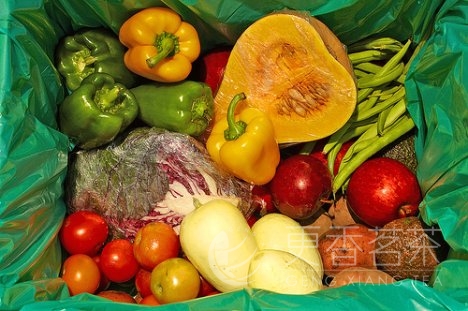 .
.
Historically, organic produce was almost exclusively available directly from small family-run farms or at community farmer's markets. Lately, though, organic foods are becoming much more widely available; organic food sales in the United States have grown by 17 to 20 percent a year for the past few years, while sales of conventional food have grown more slowly, at about 2 to 3 percent a year. This explosion in popularity has led the way for bigger companies, like Wal-Mart, to get into the organic food business and change the way that organics are perceived and, to a certain extent, the way they're produced.
As organics have grown in popularity, more and more food items are available in organic varieties. What used to be the nearly exclusive realm of fruits and vegetables has grown to include processed foods like coffee (though its days may be numbered), ketchup and ice cream -- a veritable orgy of organic food that has come to include just about anything and everything you eat on a daily basis. The modulation of the market to include more processed foods marks a sea change in the organic industry, though, as these processed foods are increasingly coming from large conglomerates and companies producing huge amounts of canned goods, frozen vegetables, pre-prepared dishes and the like. While the ingredients are certified, this industrialization of organic down conveyor belts and into a carbon-intensive supply chain is a bit antithetical to organics' original purpose of creating an ecological production management system that promotes and enhances biodiversity, biological cycles and soil biological activity. It is based on minimal use of off-farm inputs and on management practices that restore, maintain and enhance ecological harmony, as defined by the USDA National Organic Standards Board.
Still, the only way to be sure that the food you're eating is organic, short of growing it yourself (or buying it from someone you trust not to have soaked it in pesticides), is looking for certification marks, like the USDA Organic Seal, pictured here. Elsewhere, similar government regulations and third-party inspectors certify that food is produced to certain standards; in Australia, it's the NASAA Organic Standards, in Japan, the JAS Standards must be met. In the United States, In the United States, the Organic Food Production Act of 1990 (7 U.S.C.A. § 6501-22) required that the USDA develop national standards for organic products. The regulations (7 C.F.R. Part 205) are enforced by the USDA through the National Organic Program under this act. These laws essentially require that any product that claims to be organic must have been manufactured and handled according to specific NOP requirements. A USDA Organic seal identifies products with at least 95% organic ingredients.




发表评论 取消回复